Abyssal Soul
Overview
Eden of Gaming launch coverage
Abyssal Soul · ChillyRoom · iOS and Android
Developer
ChillyRoom
Genre
Card-battle roguelike
Platforms
iOS, Android
Price
Free to play
Art
Western dark fantasy, hand-drawn
Launch
Jun 30, 2026 (expected)
Eden of Gaming has covered launch metas across more than 100 gacha titles since 2018. Abyssal Soul is ChillyRoom's dark-fantasy follow-up to Soul Knight, a card-battle roguelike built on one idea: you do not pay energy to play a card, you sacrifice the cards behind it. EOG.GG opens its coverage with the guides below, written for day one and flagged wherever the game has not confirmed a detail yet.
Screenshots

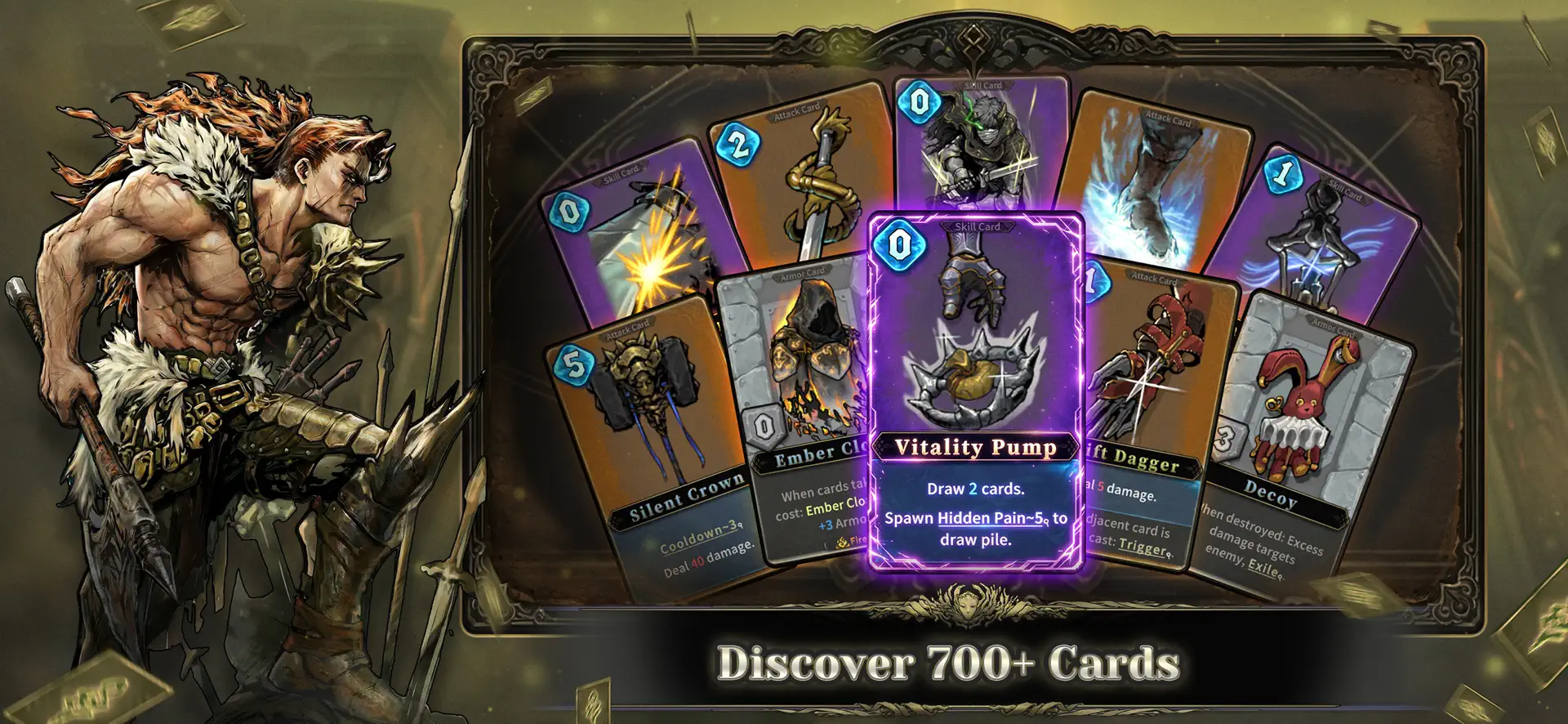

Images: ChillyRoom, official Abyssal Soul store and press assets. Used with permission.
What's in this hub
Recent updates
Day-one coverage
Abyssal Soul is brand new. The systems below are confirmed from ChillyRoom's own materials, but exact numbers (aura effects, drop rates, currency uses) can shift between the beta and the live build. Treat anything not yet documented as provisional and confirm it in-game.
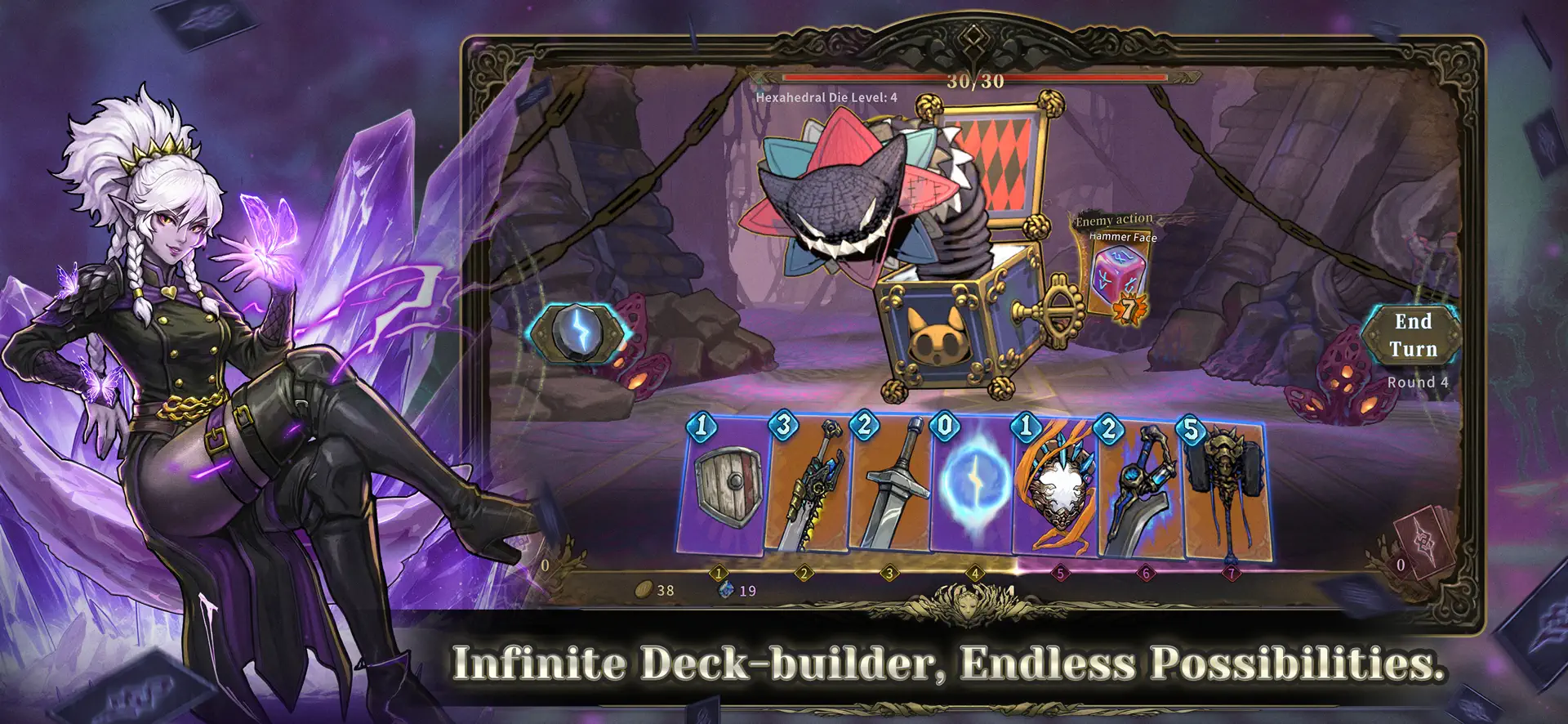
Abyssal Soul is a sequential card-battle roguelike. The hook that makes it different from most deckbuilders: cards have no energy cost. To play a card you sacrifice a set number of the cards sitting behind it. Order is the whole game. You get full sight of the enemy's upcoming cards and there is no turn timer, so every fight is a puzzle you solve at your own pace, not a reflex test.
The sacrifice mechanic
Your hand is a line of cards. Playing one consumes the cards to its right as the cost. That means a powerful card placed at the front of your hand can burn through several weaker cards in one cast, while the same card at the back costs you almost nothing but also leaves little behind it to fuel it.
Rearrange before you commit. You can reorder your hand on the fly. The skill is lining up cheap, low-value cards as deliberate fuel directly behind the card you actually want to fire.
In the real combat screen above, your hand sits along the bottom with each card's cost shown on it, the boss telegraphs its next action on the right, and you end the turn only when your sequence is set. No clock is pushing you.
Read the board first
Because you can see the enemy's coming cards and there is no clock, never play on instinct. Look at what the enemy will do, then arrange your hand to answer it: line up a defensive cast when a big hit is coming, or stack fuel behind a finisher on a turn the enemy is weak.
The whole game rewards patience. A misordered hand wastes good cards as fuel. A well-ordered one turns junk cards into the cost of a game-winning play.
Auras, runes, and amulets
On top of your deck, three systems modify a run. Auras (ChillyRoom also calls them blessings) are run-long buffs, runes layer persistent modifiers, and amulets are relics that bend a build in a direction. The pools are large, so no two runs draft the same.
Early on, pick the modifiers that point the same way as your deck rather than the ones with the biggest raw number. A small bonus that fits your win condition beats a large one that pulls against it.
(The specific effects of individual auras, runes, and amulets are not documented pre-launch. Verify in-game.)Systems reference: the numbers ChillyRoom published
Progression between runs
Abyssal Soul runs two progression tracks at once: card upgrades and character development. Both make your hero permanently stronger across runs, which the game frames as repeated rituals.
Memento (the Forerunner Legacy system) lets you carry your single best card from one run into the next. Choose it deliberately. Carrying the card that defines your win condition is usually worth more than carrying the flashiest one.
There are 14 difficulty tiers. They are the long-term wall. Clear comfortably at your current tier before stepping up rather than forcing a bracket your deck cannot yet support.
Your first session
- Claim your launch rewards. Pre-registration grants 10 Key of Destiny, 10 Key of Seek, and 3000 Secrets. They should be waiting in your in-game mail. Do not spend them blind. See the Reroll and Launch tab first.
- Start as the Warrior. It is the most forgiving class because it does not lean on a fragile combo. Learn the sacrifice timing here before touching the more technical classes.
- Use the recommended build. The game ships suggested decks for new players. Run one as-is for your first few rituals, then start deviating once the sacrifice economy clicks.
- Keep your deck lean. Fewer cards means the ones you sacrifice as fuel are cheap and your payoff cards come up reliably. Resist adding every card on offer.
- Set your Memento with intent. Carry the card your run was built around, not the rarest one you saw.
- Read the in-game store rates before any purchase. Currency uses are not fully documented yet. Confirm what a key opens before you turn one.
Where to go next
Classes and Builds: the four classes by playstyle, a start order by difficulty, and deck principles that survive the randomness.
Reroll and Launch: why a roguelike does not reroll like a banner gacha, and what to do with every launch currency.
Sources
- ChillyRoom official site and Open Beta FAQ. chillyroom.com/en/game-news
- Abyssal Soul on Google Play. play.google.com/store/apps/details?id=com.chillyroom.containerofsoul.gp
- Abyssal Soul on the App Store. apps.apple.com/app/abyssal-soul/id6466164178
- GamingOnPhone, pre-registration and mechanics coverage. gamingonphone.com
- MumuPlayer, Abyssal Soul release-date and feature summary. mumuplayer.com/blog/abyssal-soul-release-date.html
What is and is not confirmed
The four class archetypes below are confirmed by ChillyRoom. The 15 individual character names, their exact cards, and tuning are not public yet. This guide ranks classes by how friendly they are to a new player, not by raw power. In a roguelike every class is viable in the right hands. Treat all of it as a launch-window first pass.
Abyssal Soul splits 15 characters across four classes, and each class plays to a different idea. Pick a class for how it wants you to think, not for a tier letter. Below: what each one does, where to start, and the deck-building habits that carry across every run.
The four classes
Warrior
Balanced bruiser
Balances defense and offense. The most forgiving entry point because it does not depend on a fragile combo to function.
How it playsTrades blocks for hits and grinds enemies down. Sacrifices are lower-stakes because most cards pull their weight on their own.
Starter buildLean on the in-game recommended build first. Keep a compact deck so the cards you sacrifice as fuel are cheap and the payoff cards land reliably. Favor amulets that reward steady damage over swingy gambles.
Sorcerer
Elemental burst
Wields elemental power for heavy spike turns. Strong payoff when the sequence lines up, punishing when it does not.
How it playsSets up a turn where several cards chain into one large hit. Card order is everything here, so the sacrifice timing matters more than on any other class.
Starter buildBuild around one element and one finisher. Use the cheap cards behind your finisher as deliberate fuel. Auras and runes that amplify your chosen element are the priority pickups.
Musician
Tempo combo
Attacks through melodies, a tempo class that rewards stringing cards together in the right rhythm.
How it playsWants long, ordered sequences rather than single big hits. Rearranging your hand to keep the melody going is the core skill.
Starter buildKeep the engine pieces that extend your sequence and cut anything that breaks tempo. Prioritize amulets and runes that reward multi-card turns. Pick this once you are comfortable reading the board.
Wuxia
Technical martial
An Eastern martial-arts flavor with a mysterious, precise kit. The most execution-heavy class in the roster.
How it playsRewards exact positioning and timing of cards over raw stats. High skill expression, low margin for a misordered hand.
Starter buildCommit to a single martial line and learn its sequence cold before adding tech cards. Best saved until you have cleared a few runs on a simpler class and understand the sacrifice economy.
Where to start
Ordered by learning curve, easiest first. This is about approachability, not strength.
Deck-building principles
Card names will change run to run, but these habits hold for any class and any draw.
- Pick one win condition per run and draft toward it. A deck that does one thing well beats a deck that does three things halfway.
- Keep the deck lean. Every extra card dilutes your draw and risks becoming dead fuel. Skip cards that do not serve the plan.
- Sequence finishers behind cheap fuel. Put low-value cards directly behind your payoff so the sacrifice cost is junk, not your good cards.
- Answer the board, not your hand. You can see the enemy's line. Arrange around what they will do this turn.
- Match modifiers to the plan. Take the aura, rune, or amulet that points the same way as your deck over the one with the bigger raw number.
- Lean on the recommended build early, then peel away from it as you learn which pieces your class actually needs.
- Carry the right Memento. Hand the next ritual the card your win condition is built on.
Sources
- ChillyRoom official site and Open Beta FAQ. chillyroom.com/en/game-news
- Abyssal Soul on Google Play. play.google.com/store/apps/details?id=com.chillyroom.containerofsoul.gp
- Abyssal Soul on the App Store. apps.apple.com/app/abyssal-soul/id6466164178
- GamingOnPhone, pre-registration and mechanics coverage. gamingonphone.com
- MumuPlayer, Abyssal Soul release-date and feature summary. mumuplayer.com/blog/abyssal-soul-release-date.html
Read this first
Abyssal Soul is a roguelike deckbuilder, not a character-banner gacha. It does not reroll the way Genshin-style games do, and there is no confirmed pity system to chase. What each launch currency actually buys is not fully documented yet, so this guide tells you what is known and what to hold until you can see the in-game rates.
If you came looking for a reroll guide, the honest answer is short: there is very little to reroll. Your strength in Abyssal Soul comes from learning the sacrifice system and from steady cross-run progression, not from rolling a perfect launch account. Here is the useful version of the question instead, which is how to handle your launch currencies.
Does Abyssal Soul have rerolling?
Not in the gacha sense. There is no banner of limited characters to gamble for at the start, so wiping an account to chase a single five-star does not apply here. Characters are tied to classes and unlock through play and progression rather than a featured-banner pull.
The roguelike form of rerolling is the run reset. If a run drafts badly or a shop offers nothing for your plan, the answer is to finish or abandon the ritual and start fresh, carrying your Memento card forward. That is the loop, and it is free.
(Whether any character or card unlock is gated behind a random pull is not confirmed at launch. If the in-game store shows a randomized pool, re-read the rate text before committing keys.)Your launch currencies
Pre-registration and early-login rewards hand you a stack of currency on day one. Here is what each is, and the part that is still unconfirmed.
Key of Destiny
Premium keyGranted at launch from pre-registration milestones (10 at the confirmed tier). The premium of the two launch keys.
Exactly what it unlocks (characters, card sets, or a premium pool) is not documented yet. Check the in-game store and rate text before spending.
Key of Seek
Standard keyAlso granted at launch from pre-registration (10 at the confirmed tier). Reads as the standard counterpart to the Key of Destiny.
Its pool and drop contents are unconfirmed. Treat it as the lower-stakes key until the in-game rates are visible.
Secrets
Soft currencyGiven in bulk at launch (3000 from pre-registration). The high-volume currency, most likely the everyday unlock and upgrade resource.
Whether Secrets feed keys, card upgrades, or both is unconfirmed. Do not dump the full 3000 on day one.
Outworld Gift
Refund currencyThe currency ChillyRoom uses to refund anyone who paid during the wipe Open Beta once the game officially launches.
Relevant only if you bought into the paid beta. Watch the official channels for how and when refunds land.
What to do at launch
- Claim everything first. Pull the pre-registration rewards and any login bundles from your in-game mail before you start spending.
- Hold your keys on day one. Until you can see what a Key of Destiny and a Key of Seek actually open, spending them is guessing. A day of patience costs you nothing.
- Do not dump Secrets. 3000 looks like a lot until you know whether it feeds keys, card upgrades, or both. Spend a little, learn the conversion, then commit.
- Unlock a second class through play, not through currency, once you are comfortable with your first. Breadth helps you read which class suits you.
- If you bought into the paid beta, watch the official channels for your Outworld Gift refund and how to claim it.
- Check the in-game store rates before any real-money purchase. Monetization detail is light so far, which is a good sign, but verify it yourself.
Before you spend
ChillyRoom has a strong track record with Soul Knight, and Abyssal Soul reads as a premium roguelike rather than a spend-to-win treadmill. That is encouraging, not a guarantee. Confirm what each key opens, read the store rate text, and wait for the first wave of community reports before turning your launch stockpile into anything permanent.
Sources
- ChillyRoom official site and Open Beta FAQ. chillyroom.com/en/game-news
- Abyssal Soul on Google Play. play.google.com/store/apps/details?id=com.chillyroom.containerofsoul.gp
- Abyssal Soul on the App Store. apps.apple.com/app/abyssal-soul/id6466164178
- GamingOnPhone, pre-registration and mechanics coverage. gamingonphone.com
- MumuPlayer, Abyssal Soul release-date and feature summary. mumuplayer.com/blog/abyssal-soul-release-date.html
Join the Abyssal Soul launch discussion.
Live launch reports, deck ideas, and currency verification as the meta forms. EOG analysts are in the server now.
Free to join